
Robots/Parts/Senses
Touch sensors in the hands
Touch sensors built into a robot's hands. They tell the robot where something is touching its fingers and how hard, so it can tell a secure grip from a slipping one. Boston Dynamics says Atlas's hand has dense pressure sensors over the fingertips and palm. Figure says each fingertip on Figure 03 can feel a pressure as small as 3 grams, about the weight of a paperclip. Neither company names who makes the sensors.
- 2 of 10
- robots in the database
- Not named
- made by
- Senses
- brain layer
- Not public
- price
Key numbers
- Model
- not named by the robot makers
- On Boston Dynamics Atlas
- dense pressure sensors covering the fingertips and palm
- On Figure 03
- fingertip sensors that feel pressures down to 3 grams
Source: Boston Dynamics blog, Robot Hands for Modern AI and Real Work (bostondynamics.com)
Strengths and trade-offs
Our analysisStrengths
Lets the robot hold fragile things without crushing them.
Notices slipping before the object falls.
Works when the hand blocks the cameras' view of what it is holding.
Gives the AI touch data to learn from.
Trade-offs
Fingertips take knocks, so the sensors can wear or break.
More wiring and data from every finger.
Unnamed, so their quality cannot be compared between robots.
Touch data is harder to collect and learn from than pictures.
Why robot makers choose it
Our readCameras cannot see inside a closed hand, and gripping by sight alone either drops things or squeezes too hard. Touch sensors close that gap, which is why humanoid makers aiming at real handling work are now adding them.
This is our reasoning from the public facts. No maker has confirmed it.
Robots using it
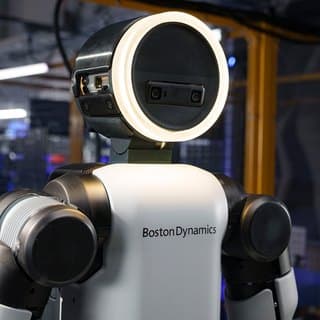 Boston Dynamics AtlasConfirmedHumanoid, production atlasAtlas's fingers and palms can feel touch and pressure, which helps it grip delicate or awkward objects. The newest hand has dense pressure sensors over its fingertips and palm.
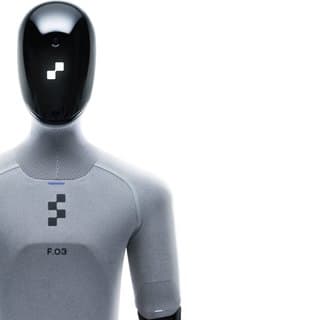 Figure 03ConfirmedHumanoid, all versionsTouch sensors in the fingertips can feel a press as light as three grams, about the weight of a paper clip, so the robot can handle fragile things.
This list covers only the robots researched so far. A robot missing here may still use this part.
Numbers and listed prices on this page come from the sources shown. Anything marked as our analysis, our read or our estimate is our own view and has not been confirmed by any company. Last checked 14 Oct 2026. How we verify