 Teardex
Robots/Parts/Training
Teleoperated demonstrations
A way of teaching a robot by example. A person drives the robot remotely, often wearing a headset and seeing through its cameras, and the recordings of what they did become the lessons for the AI.
- 3 of 5
- robots in the database
- Not named
- made by
- Training
- brain layer
- Not public
- price
Key numbers
- Unitree G1
- driven with an Apple Vision Pro, Pico or Meta Quest headset
- Figure
- about 500 hours of recordings
- 1X NEO
- recordings from its EVE and NEO robots
Source: Unitree on GitHub, xr_teleoperate (github.com)
Strengths and trade-offs
Our analysisStrengths
Shows the robot exactly how a task is done, on its own body.
Works for delicate tasks that are hard to describe in code.
The same setup lets a person take over when the robot is stuck.
Trade-offs
Slow and costly, since every hour of data needs an hour of a person's time.
The robot only learns what it was shown.
For a home robot, a remote operator seeing inside the house is a privacy concern.
Why robot makers choose it
Our readNobody knows how to write rules for folding a shirt. Showing the robot many examples works, and for now a person driving it is the most reliable way to produce those examples.
This is our reasoning from the public facts. No maker has confirmed it.
Robots using it
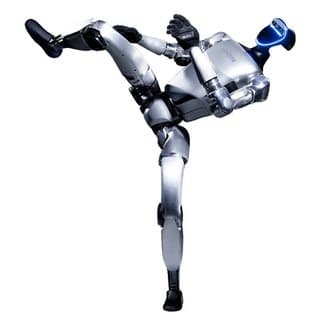 Unitree G1ConfirmedHumanoid, all versionsA person wearing an Apple Vision Pro, Pico or Meta Quest headset drives the robot.
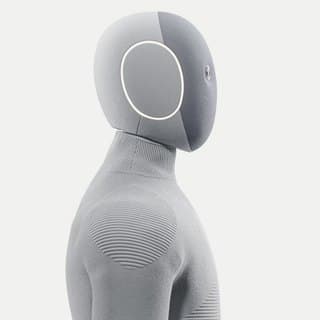 1X NEOConfirmedHumanoid, all versionsRedwood was trained on recordings of 1X's robots being driven by people and working on their own.
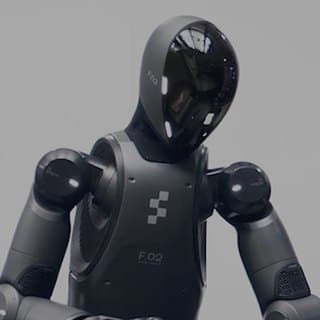 Figure 02LikelyHumanoid, all versionsAbout 500 hours of recordings from several robots and operators.
This list covers only the robots researched so far. A robot missing here may still use this part.
Numbers and listed prices on this page come from the sources shown. Anything marked as our analysis, our read or our estimate is our own view and has not been confirmed by any company. Last checked 12 Oct 2026. How we verify